
Read the scope first
Two suppliers quote the same route. Both write “24-fibre ADSS” at the top. One gives a price per kilometre at the factory; the other includes fittings and delivery to a depot. Before negotiating either price, give both suppliers the same scope.
Give both suppliers the same route
Start with the pole schedule. Record the typical span and longest crossing, attachment arrangements and the loading conditions specified by the project designer. Ask each supplier to identify the cable construction offered against those inputs. Fibre count alone leaves the mechanical design open.
Price the missing lines
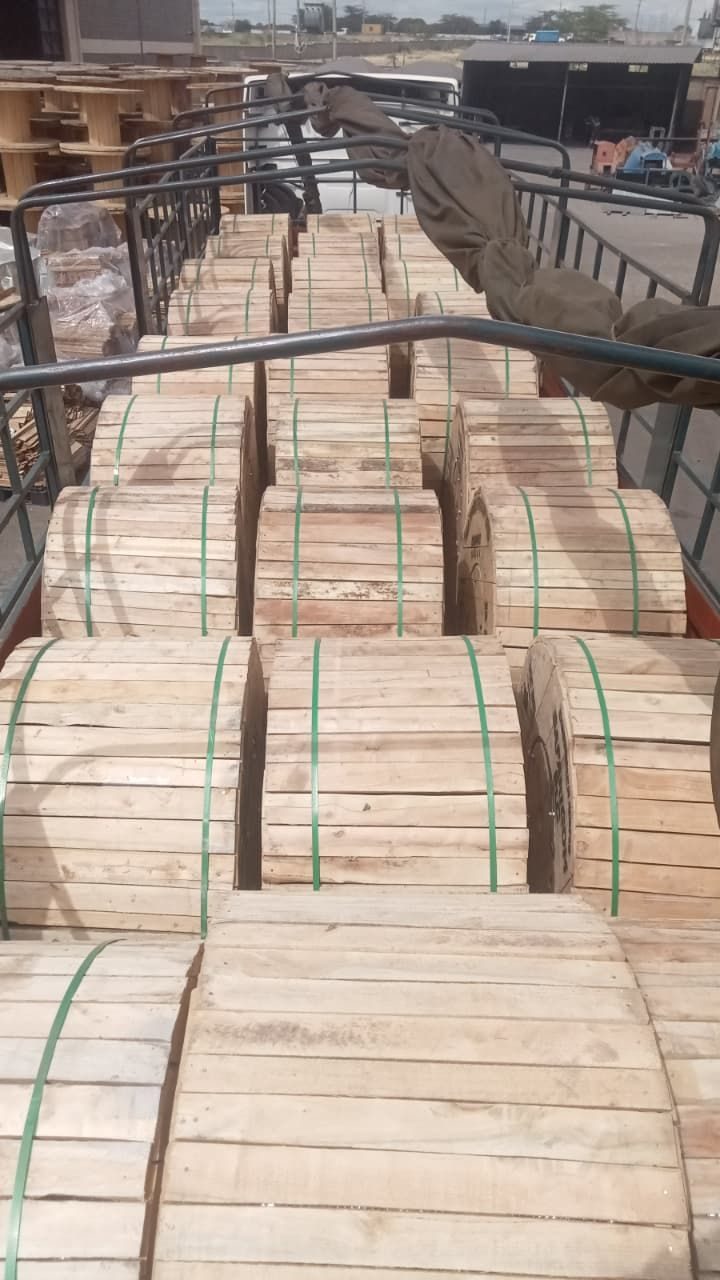
For a worked comparison, imagine the route needs ten drums and delivery to two depots. Put cable, drums, dead-end sets, suspension sets, freight and unloading on separate lines. Enter “excluded” or “awaiting price” wherever an offer is silent. Ask who supplies the hardware at corners and terminations, and use the approved pole schedule for quantities. Ten drums do not tell you how many clamps to buy.
Compare the delivered totals
Finally, compare totals for the same delivery point and agreed scope. Keep any unresolved design assumptions beside the price. A contractor can then see whether a lower figure survives once the missing items are priced. Send the route schedule and both delivery points with your enquiry, even if some quantities are still provisional.
Check
| Check | What to record |
|---|---|
| Route | Longest span and loading assumptions |
| Delivery | Depot, freight and unloading scope |
What to record
- Longest span and loading assumptions
- Depot, freight and unloading scope