
Confirm destination rules with the importer
The importer or licensed broker should confirm tariff classification, permits, standards, inspection schemes and document requirements for the destination country. Requirements can differ between neighbouring markets and can change. The exporter provides accurate product, value, origin and packing information; it should not promise that one document set clears every African port.
Approve cable lengths and drum numbers
Create a drum schedule before cable is cut. List model, fibre count, length, tolerance, route section, gross and net weight, dimensions and unique drum number. Reconcile the total with the purchase order. Short or split lengths should need approval when the contractor has planned exact pulling sections.
Specify drum and cable-end protection
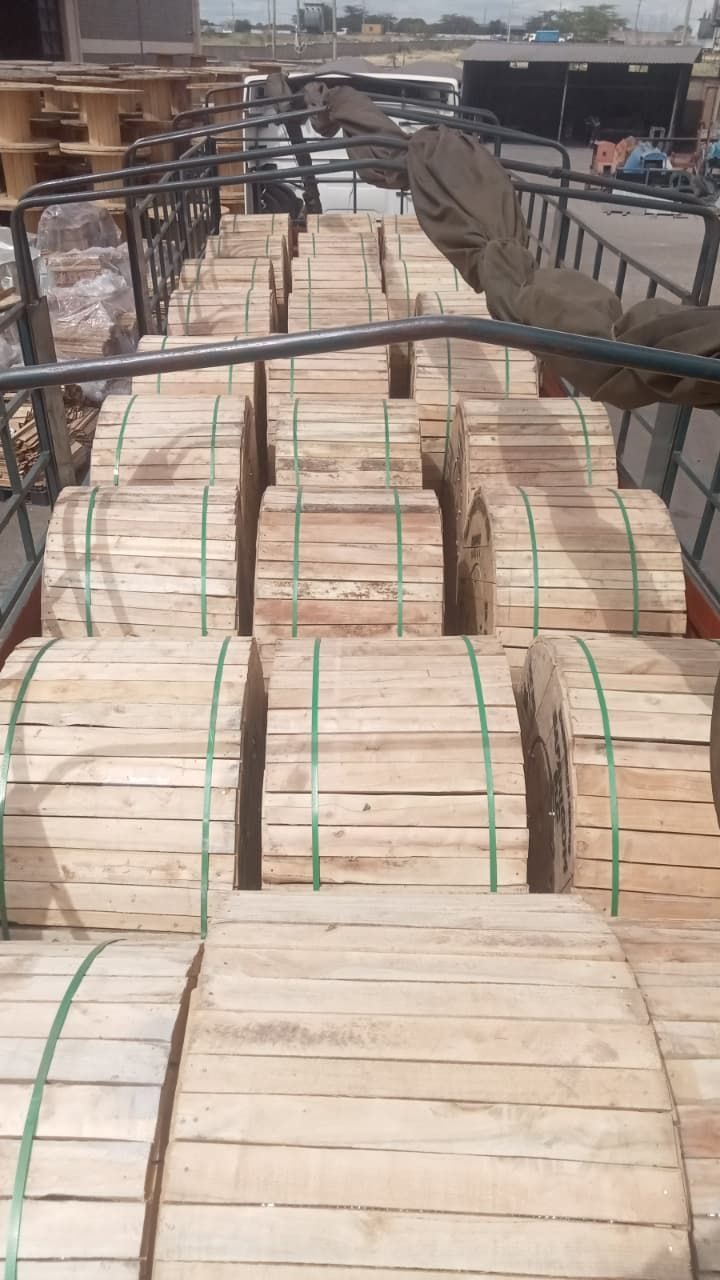
Choose drum construction and barrel diameter for the finished cable, loaded weight and handling route. Secure and seal cable ends, protect outer layers from battens or fasteners and mark rolling direction and lifting method. Consider unpaved project roads, outdoor storage and the unloading equipment available after port release.
Check raw-wood compliance
ISPM 15 covers raw-wood packaging material in international trade. If drums, battens, chocks or dunnage use solid wood, confirm the destination's implementation, approved treatment and official mark with the forwarder or authority. Processed wood can be treated differently. Record clear photographs of required marks before loading.
Make labels and metre marks traceable
Drum labels should identify buyer or project, purchase order, model, fibre count, length, drum number, weights and dimensions as required. Compare the label with sheath print, start and end metre marks and packing list. Use weather-resistant identification when drums may wait outdoors at the port or project warehouse.
Prepare commercial and technical documents
Typical commercial documents include invoice, packing list and transport document, with origin or other documents when required. The technical pack may include approved datasheet, drawing, optical results, drum list and conformity statement specified by contract. Define issuer, language, signature, original-copy and legalization needs before the vessel cutoff.
Plan container loading and securing
Use drum dimensions and gross weights to check payload, floor, door clearance and weight distribution. Qualified personnel should define chocking, blocking and bracing so drums cannot roll. Inspect the empty container for damage or water ingress. Record loading sequence, completed securing and seal number when buyer evidence is required.
Run a four-party release review
Before shipment, supplier, buyer, broker and forwarder should reconcile accepted drums, quantities, labels, documents, booking details and destination instructions. Resolve discrepancies before cargo reaches the terminal. A late document correction can cost more time than the factory inspection itself.