
Turn project kilometres into named sections
An enquiry for 50 km tells the supplier the approximate volume. It does not tell the site team which drum goes to which depot. Give each surveyed section a start, end, cable construction and drawing revision. Mark planned splice sites and any section that must be delivered as a continuous length. Keep future phases on separate lines.
Work through one branch before allocating the full route
Illustrative example: depot East serves section A, 2,340 m along the route. The project designer allows 30 m at each end, giving an allocated cable length of 2,400 m. Record A, its two endpoints, the 60 m allowance and the required continuous length on one line. Keep network maintenance stock on its own line to avoid counting that reserve twice.
Check that the receiving depot can handle the drum
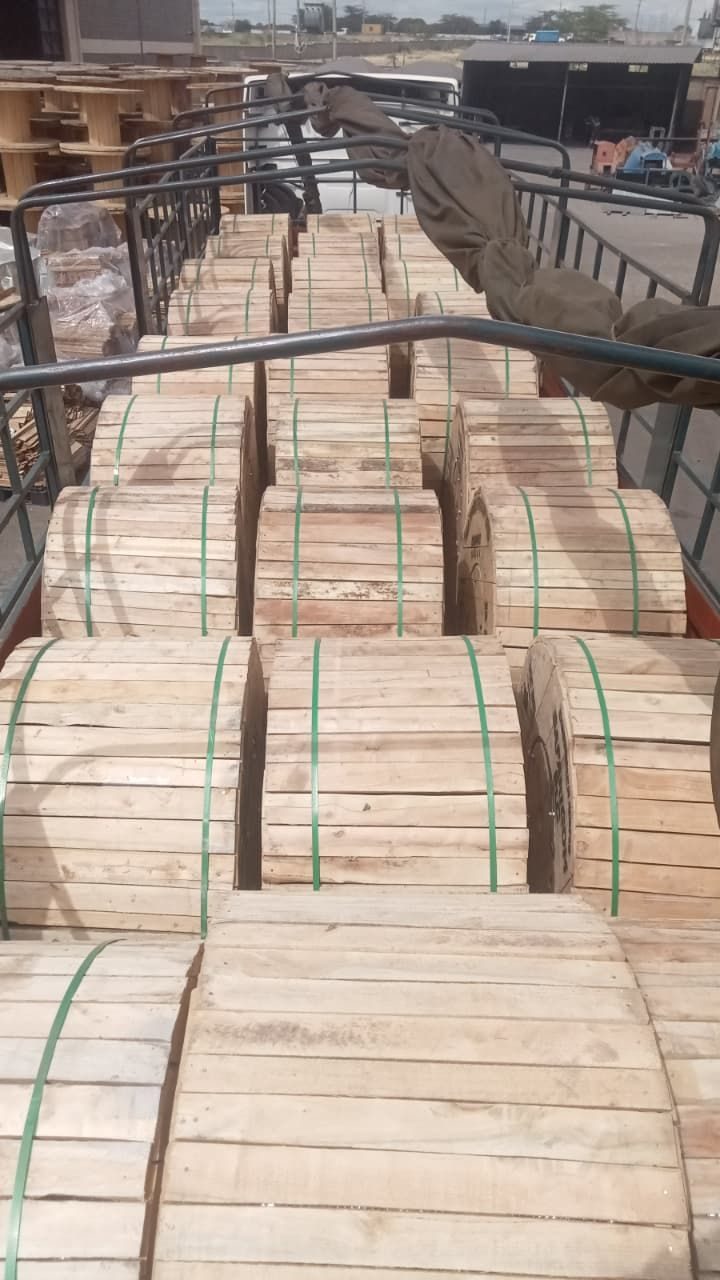
Ask for offered continuous lengths, drum dimensions and gross weights. Confirm unloading arrangements and onward transport with the receiving team. If a proposed drum is too large for the last road leg, send the constraint back to the designer and supplier before changing a splice point or cutting a continuous section.
Sequence dispatch around the work fronts
Assign each agreed drum ID to a depot, work front and required phase. If the contractor changes the construction order, revise the allocation sheet and identify affected drums before dispatch. At receipt, check the physical drum ID against that sheet and record any damage or discrepancy before the cable is issued to a crew.
Buyer’s worksheet
| Field | What to record |
|---|---|
| Section | Endpoints, continuous length and drawing revision |
| Delivery | Drum ID, depot, unloading limit and phase |
Before release
- Confirm the continuous sections.
- Match each drum to the receiving depot.