Southern Africa · Industrial Network
Southern Africa Industrial Armored Backbone Plan
Industrial routes often move between ducts, open ground, road crossings and buildings. Split the route by exposure before selecting armour, sheath, tensile performance and installation method.

01 · Three decisions to settle first
Separate duct from direct burial
A cable suitable for a protected duct is not automatically the right choice for direct soil contact or repeated mechanical disturbance.
Identify water and rodent exposure
Confirm drainage, flooding history, soil, pest evidence and maintenance access before specifying armour and water blocking.
Define every transition
Mark chambers, road crossings and building entries so closures, pulling lengths and fire requirements are not discovered on site.
02 · Recommended project structure
| Network section | Typical product family | What to confirm |
|---|---|---|
| Duct and campus route | GYTA/GYTS duct cable | Duct occupancy, pull length, bends, moisture and metallic restrictions |
| Direct-buried section | GYTA53/GYTS53 armored cable | Soil, depth, water, rodent risk, warning tape and mechanical protection |
| Building entry and handover | Indoor/outdoor transition and termination | Fire requirement, bend control, ODF, OTDR baseline and labels |
03 · Information to send with the RFQ
- Duct and campus route: Duct occupancy, pull length, bends, moisture and metallic restrictions
- Direct-buried section: Soil, depth, water, rodent risk, warning tape and mechanical protection
- Building entry and handover: Fire requirement, bend control, ODF, OTDR baseline and labels
- Separate duct from direct burial: A cable suitable for a protected duct is not automatically the right choice for direct soil contact or repeated mechanical disturbance.
- Identify water and rodent exposure: Confirm drainage, flooding history, soil, pest evidence and maintenance access before specifying armour and water blocking.
04 · Factory evidence buyers can request
The quotation should connect the proposed construction to production, optical testing and shipment records. Ask for evidence for the offered model and order—not generic marketing files.
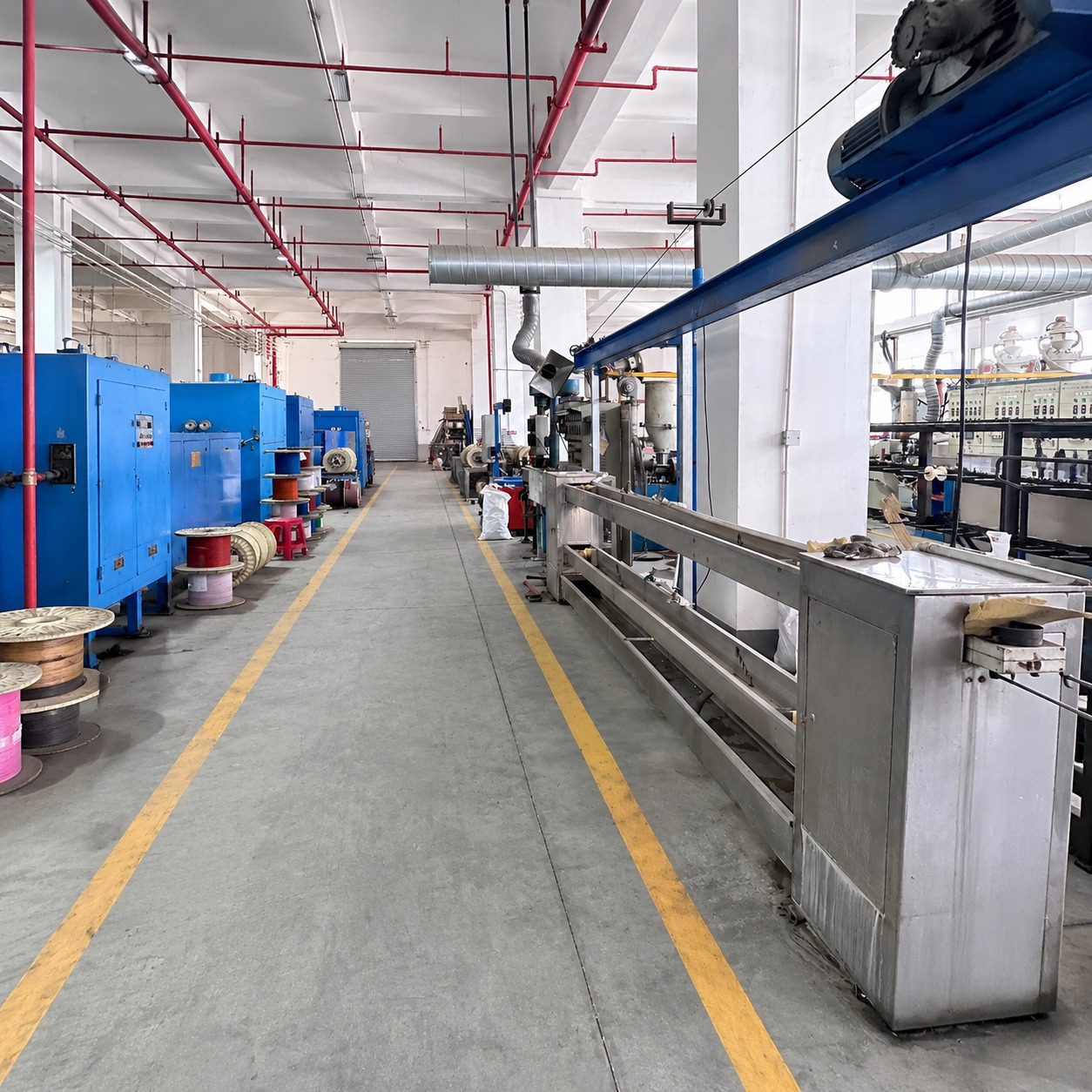
Cable construction and jacket marking confirmed before the run
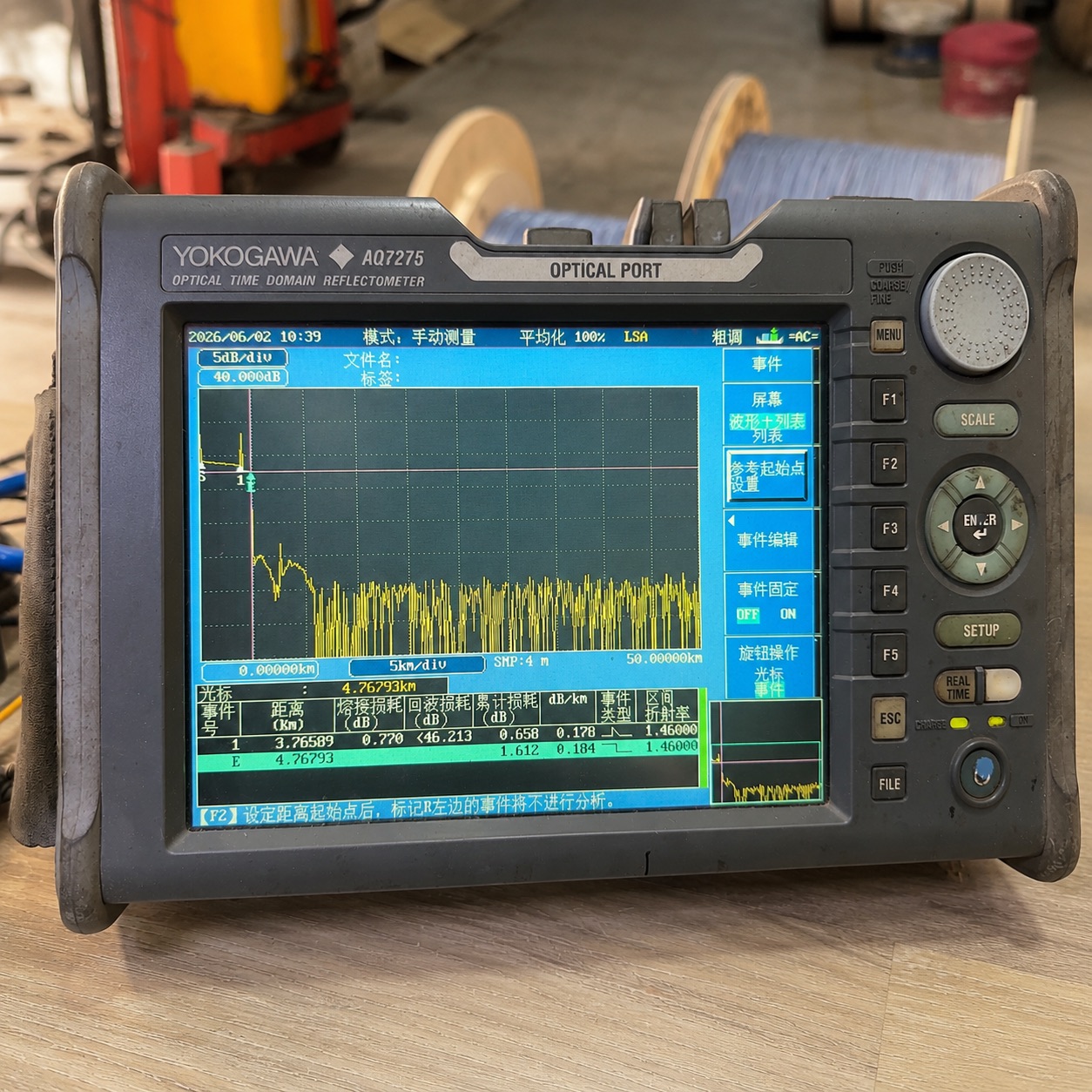
OTDR attenuation and length checks recorded before packing
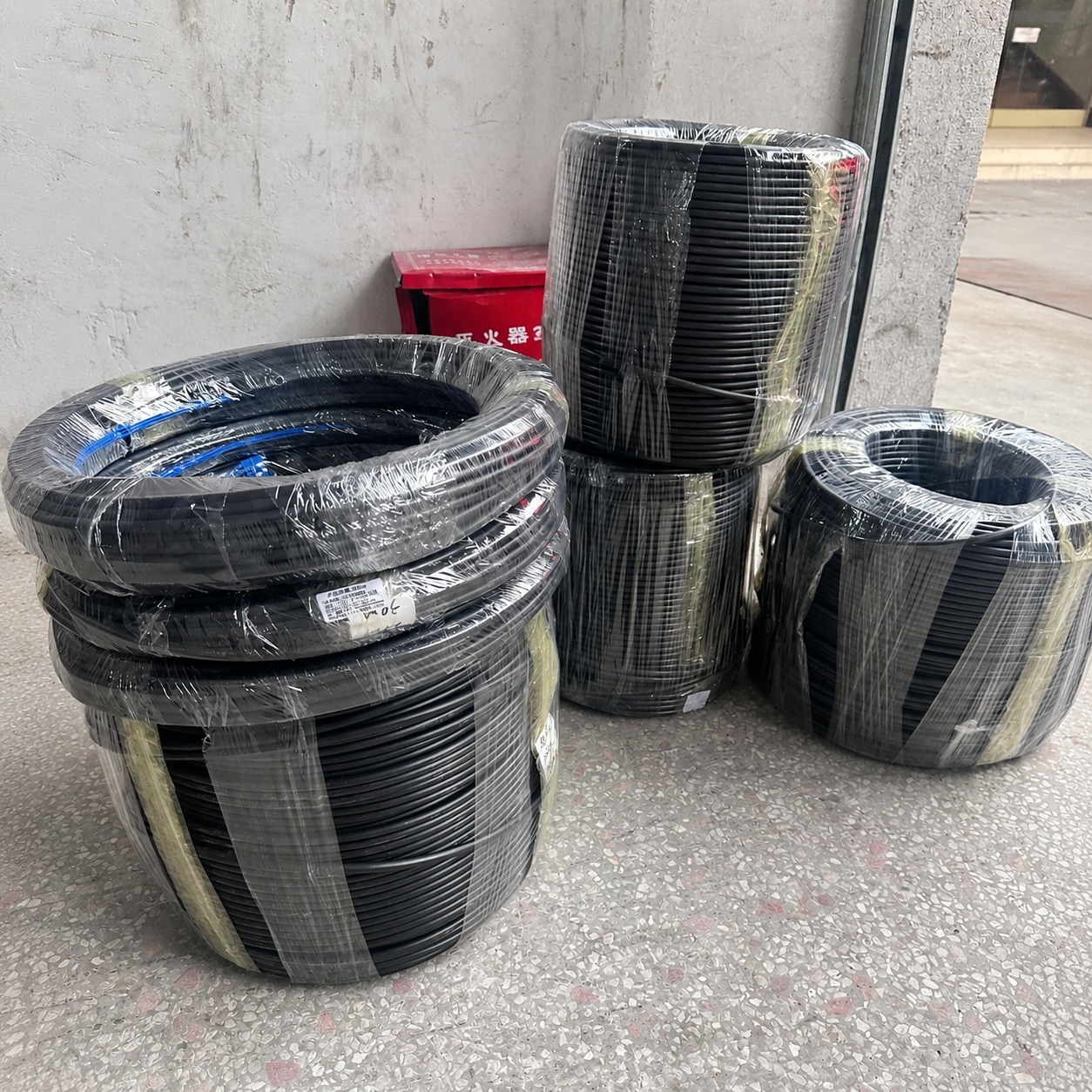
Labels, quantities and packing checked before loading
05 · Related technical pages
06 · Route-specific buyer questions
What should be confirmed for Duct and campus route?
Duct occupancy, pull length, bends, moisture and metallic restrictions. GYTA/GYTS duct cable.
What should be confirmed for Direct-buried section?
Soil, depth, water, rodent risk, warning tape and mechanical protection. GYTA53/GYTS53 armored cable.
What should be confirmed for Building entry and handover?
Fire requirement, bend control, ODF, OTDR baseline and labels. Indoor/outdoor transition and termination.
Quotation inputs for Southern Africa · Industrial Network
Send the route plan with duct, burial, crossings and building entries marked. We will separate constructions, accessories and drum lengths by section.