Kenya's Communications Authority continues to report growth in fixed data and broadband subscriptions. For contractors expanding access networks, the procurement question is not simply “outdoor cable.” The route may include existing ducts, pole lines, road crossings and short building-entry sections, each with different risks.
Use existing infrastructure where it is serviceable
Before choosing cable, inspect duct occupancy, draw-pit condition, pole ownership, pole loading and access for maintenance. Existing infrastructure can reduce civil work, but only if there is usable capacity and a clear installation path.
When an aerial ADSS route makes sense
ADSS can be practical where a suitable pole line is available and permissions, clearances and loading checks are complete. Record every span, route angle and special crossing. Select suspension and tension fittings after the finished cable diameter and mechanical design are confirmed.
Aerial construction reduces trenching but exposes the cable to wind, movement, accidental contact and vehicle-clearance risks. Maintenance teams also need safe access to the attachment point.
When a duct cable is the better fit
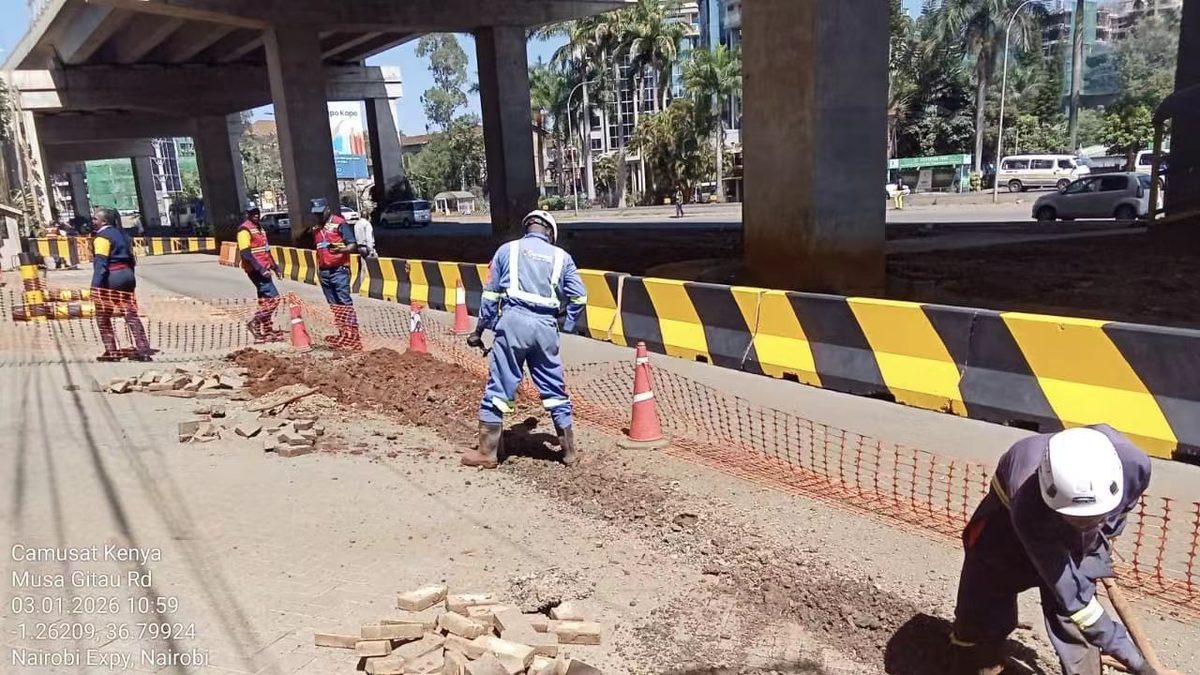
Duct routes protect the cable from direct aerial exposure and can suit dense urban sections, road crossings and shared corridors. The procurement package should include duct internal diameter, pulling distance, bend locations, draw pits and the pulling method.
GYTA or GYTS constructions are often discussed for duct networks, but the final choice follows the project specification, moisture protection, mechanical requirements and any metallic-element restrictions.
A project may use ADSS on the main pole route, duct cable at a road crossing and drop cable from a distribution point to the premises. Treat them as linked sections rather than forcing one cable type through the whole route.
Plan transition points
Every change from aerial to duct or outdoor to indoor needs a defined closure, box or building-entry point. Mark these points on the drawing and provide spare cable storage appropriate to the operator's practice. This is also where fibre allocation and future expansion should be checked.
Information to send with a Kenya RFQ
- County/city and delivery destination.
- Route length divided into aerial, duct and building sections.
- Longest aerial span and special crossings.
- Duct dimensions, pulling sections and draw pits.
- Fibre count, fibre type and required cable standard.
- Closures, boxes, splitters, clamps and connector type.
- Drum length and site handling limits.
This route-first approach gives the supplier enough information to check construction, packing and accessories without pretending that every Kenyan network uses the same design.